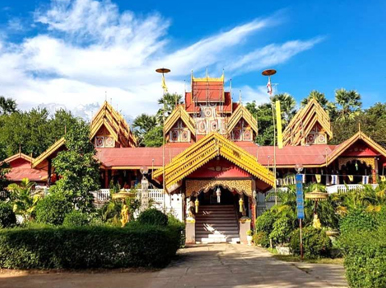
Photos are for illustration and may not show current conditions. Report this photo
Lampang Information
Since Lampang is located inland, there are no ferry services available. However, the city is well connected by buses and other transportation options.
Main Transportation Means & Stations
Lampang is a key transportation hub in northern Thailand. The main bus terminal is on Thanon Jantsurin. It offers frequent bus services to major destinations, including Bangkok, Chiang Mai, and Phrae. Different bus operators run services with options ranging from economy to VIP, catering to all budgets.
For train travel, Nakhon Lampang Railway Station is a stop along the Bangkok–Chiang Mai railway. Train journeys from here offer scenic countryside views, making them a comfortable alternative to bus travel.
Lampang Transfer: Popular Bus Destinations
-
Bangkok: Daily buses connect Lampang with Bangkok, with both daytime and overnight services available.
-
Chiang Mai: Located just 100 km northwest. Iti is easily accessible in 1.5 to 2 hours by bus, with frequent departures.
-
Phrae: A smaller northern city, Phrae can be reached by minibus, offering a chance to explore more of Thailand’s hidden gems.
-
Phitsanulok: Phitsanulok is easily accessible from Lampang by bus. It makes it a great stop for those traveling south.
-
Khon Kaen: It is one of northeastern Thailand’s largest cities. It can be reached from Lampang via direct bus routes. Ideal for those heading to Isaan.
-
Lamphun: A short journey from Lampang, Lamphun is known for its historical sites and tranquil atmosphere.
LiVa Travel Tips
-
Booking in Advance. Secure your bus or train tickets early. Especially during peak travel seasons.
-
Carrying Local Currency. Small vendors and transport services like songthaews (shared taxis) often only accept cash, so keep change handy.
-
Dressing Comfortably. Wear light clothing, especially in hot weather, and carry a light jacket for air-conditioned buses and trains.
-
Respecting Local Customs. When visiting temples, wear modest clothing that covers shoulders and knees to show respect.
-
Trying the Local Food. Don’t miss out on Lampang’s street food and northern Thai specialties. Markets are the best places to enjoy authentic flavors at great prices.
Attraction Points
Lampang: A Journey into Thailand’s Traditions
Discovering Lampang: Thailand's City of Horse Carriages
Lampang, nestled along the Wang River, is a city in northern Thailand. It is mainly known for its unique charm and deep cultural heritage. It is often called the "City of Horse Carriages." It remains one of the few places in Thailand where traditional horse-drawn carriages are still used for daily transport. This distinctive feature makes Lampang feel distinctly different from busier Thai cities and offers visitors an authentic glimpse into a slower-paced way of life.
Getting to Lampang
Lampang is well connected to other major cities in northern Thailand. Travelers can reach the city by bus, minivan, or private transfer from nearby destinations. The city serves as a convenient stop on routes between Chiang Mai and other northern regions, making it accessible for both day trips and longer stays.
Many visitors arrive in Lampang from Chiang Mai, which is the nearest major hub with extensive transport connections. Journey times and departure frequencies vary by transport type and operator, so it's worth checking current schedules when planning your trip. Once you arrive in Lampang, local horse-drawn carriages and taxis can help you navigate the city and reach your accommodation.
Lampang's Rich Historical and Cultural Heritage
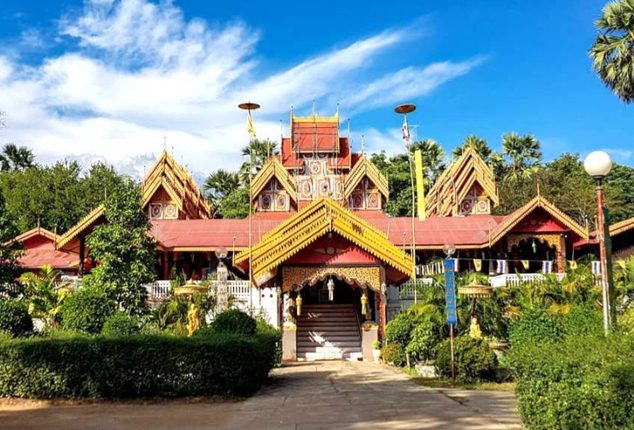
Lampang has strong ties to the ancient Lanna Kingdom. The city contains treasures such as stunning temples and traditional wooden houses that reflect centuries of northern Thai culture. Architecture enthusiasts will find the preserved structures particularly rewarding to explore on foot.
The Wat Phra That Lampang Luang, a 13th-century temple, stands as a masterpiece of Lanna architecture. It features an impressive black-and-gold chedi that draws both pilgrims and tourists. This temple is one of Lampang's most important cultural landmarks and offers insight into traditional Buddhist design and craftsmanship. Visiting early in the morning provides a more peaceful experience and better photography opportunities.
Natural Attractions and Outdoor Activities
Beyond history, Lampang is surrounded by breathtaking natural landscapes. Nature lovers can explore the Chae Son National Park. This park is home to natural hot springs and cascading waterfalls, making it an ideal retreat for relaxation and adventure. The park's natural pools and forest trails offer a refreshing break from city exploration.
Visitors with an interest in wildlife may also find the surrounding countryside rewarding, as the region is part of a broader natural corridor in northern Thailand. Budget a full day if you plan to visit Chae Son National Park, as travel time from the city center should be factored into your itinerary.
The Ceramic Industry and Local Crafts
The city is also famous for its ceramic industry, thanks to its rich kaolin clay deposits. Lampang has been a pottery center for generations, and the craft remains an important part of local identity and economy. Visitors can learn about this local craft at the Dhanabadee Ceramic Museum. Here, you can witness the pottery-making process and even try your hand at it. Many workshops and studios in the city offer hands-on experiences, allowing you to create your own souvenirs.
Lampang's Authentic Northern Thai Cuisine
Food lovers will enjoy Lampang's authentic northern Thai cuisine. Markets offer dishes like khao soi (curry noodle soup), a regional specialty that showcases local flavor preferences and culinary traditions. Strolling through the night markets is a great way to sample local flavors and meet residents who can offer recommendations for other must-try dishes.
The city's food scene reflects agricultural traditions of the region, with seasonal produce and locally sourced ingredients featuring prominently. Don't miss the opportunity to eat at small family-run restaurants where recipes have been passed down through generations.
Planning Your Visit to Lampang
Lampang blends history, culture, and nature. It is a great destination for travelers looking to explore a less touristy yet captivating part of Thailand. A typical visit of two to three days allows time to see major temples, explore craft workshops, experience the natural parks, and immerse yourself in local food culture.
The best time to visit is during the cooler months from November to February, when temperatures are more comfortable for walking and sightseeing. The rainy season from May to October can affect travel conditions and park accessibility, so plan accordingly.
Book Your Journey to Lampang
Ready to experience Lampang? Check current availability and routes from nearby cities. We offer a range of transport options to help you reach this charming destination with ease. Whether you're traveling from Chiang Mai or connecting from other northern Thai cities, browse our selection and secure your tickets today.
Search availability now to find the best departure times and prices for your journey to Lampang.
Frequently asked questions
What are the tourist seasons ?
Phuket
Phuket really just has two seasons, which are known as "high season" and "low season" (or "green season"). During the low season months (May–September), boat numbers are reduced. During the high season (October–April), boats to the surrounding islands are increased so you will have some more options.
Koh Samui
There are three distinct weather seasons on the tropical island of Koh Samui: the dry season (December until February), the hot season (March until August) and the rainy season (September until November).
How do I unlock my account now?
Wait, and try again. Every lock lifts on its own — a minute the first time, and never more than an hour however many attempts have failed. There is nothing to click and nobody to contact.
If you have forgotten your password, do not keep guessing: each wrong attempt makes the next wait longer. Use Forgot password instead. Resetting your password gets you straight back in.
What is the difference between a locked and a blocked account?
Locked is automatic and temporary. It happens after repeated failed sign-in attempts and it lifts by itself — within a minute in most cases.
Blocked is a decision made by our team, and it does not lift on its own. If your account is blocked you will need to contact us; waiting will not change it, and neither will resetting your password.
If you are not sure which applies to you, get in touch and we will tell you.
How long am I locked out for?
The first lock is one minute. If sign-in keeps failing after that, each further lock lasts longer:
- 1st lock — 1 minute
- 2nd lock — 5 minutes
- 3rd lock — 15 minutes
- 4th lock and after — 1 hour
An hour is the longest you will ever be locked out. You get five attempts before the first lock, and as soon as you sign in successfully everything resets — the next time you mistype, you start again at one minute.
My account locked but I never tried to sign in
Then someone else was trying to sign in as you, and the lock did its job — it stopped them.
Your account is safe: a lock means the attempts failed. Nobody got in. You do not have to do anything, and the lock will lift on its own.
We would still recommend two things:
- Change your password, especially if you use the same one on another website.
- Add an authenticator app in your account security settings, so a password alone is never enough to sign in as you.
If you get these repeatedly, contact us and we will look into it.
Why is my account locked?
We lock an account for a short time after several failed sign-in attempts in a row. It is an automatic safety measure: it stops someone else guessing your password, and it happens whether or not the person typing was you.
You do not need to contact us. The lock lifts on its own — see How long am I locked out for?