Lamphun
Traveling to and from Lamphun: Bus and Transfer Options

Photos are for illustration and may not show current conditions. Report this photo
Lamphun Information
Although Lamphun is an inland destination, it is well connected to Thailand’s transport network, making it easy to reach coastal regions via bus and ferry. Travelers can take a bus from Lamphun to Chiang Mai, Bangkok, or other major cities, then transfer to ferry routes heading to the islands.
Transportation Means
Lamphun’s primary transportation hub is its central bus station, where visitors can find buses operated by Cherdchai Tour North, Sombat Tour, Budsarakham Tour, Phet Prasert, and Esarn Tour. Buses connect Lamphun to Bangkok, Chiang Mai, Lampang, Tak, Phitsanulok, Uttaradit, and Phrae. For those arriving by train, the nearest major rail station is in Chiang Mai, from which a bus or taxi can take you to Lamphun.
Destinations
Lamphun serves as a gateway to northern Thailand. The most popular routes include:
-
Lamphun to Chiang Mai: A short 30-minute ride, ideal for day trips.
-
Lamphun to Bangkok: Overnight buses connect travelers to Thailand’s capital.
-
Lamphun to Lampang: A scenic journey through the northern countryside.
-
Lamphun to Tak and Phitsanulok: Ideal for those exploring historical sites in central Thailand.
-
Lamphun to the Islands: Travel via bus to Bangkok, then transfer to a ferry bound for Koh Samui, Koh Tao, or Phuket.
LiVa Tips
-
Use the Bus: The Lamphun bus station offers affordable and frequent departures to major cities.
-
Explore by Bicycle: The town’s compact size makes cycling a great way to see the sights.
-
Visit Temples Early: Arriving before 9 AM ensures a peaceful experience without crowds.
-
Try Local Food: Sample northern Thai delicacies like khao soi and sai oua at morning markets.
-
Book in Advance: If visiting during peak season (December-February), secure your bus tickets early.
Whether you're visiting for a cultural retreat or using it as a stopover to explore northern Thailand, Lamphun offers a unique and enriching travel experience.
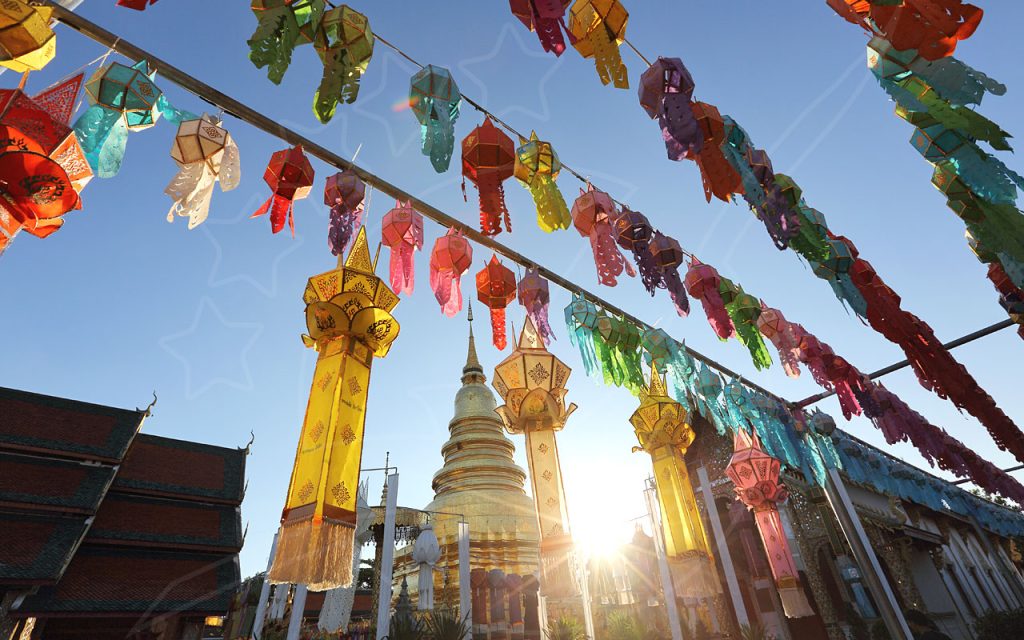
Attraction Points
Lamphun Travel Guide: History, Culture & Local Tips
Why Visit Lamphun?
Nestled just south of Chiang Mai, Lamphun is one of Thailand's most charming and historically rich destinations. Known for its ancient temples, peaceful atmosphere, and deep cultural roots, this small town offers a unique experience away from the bustling tourist hotspots. Founded over a thousand years ago, Lamphun was once the capital of the Hariphunchai Kingdom, an important Mon civilization in northern Thailand. Today, visitors can explore its well-preserved temples, vibrant local markets, and stunning countryside.
Lamphun attracts travelers seeking authenticity and cultural immersion rather than mainstream attractions. The town's slower pace and genuine hospitality make it an ideal base for discovering northern Thailand's heritage. Whether you're a history enthusiast, nature lover, or cultural explorer, Lamphun delivers an unforgettable experience.
Getting to Lamphun: Transport Options
Bus Services from Major Cities
Getting to Lamphun is easy, with buses from major cities such as Chiang Mai, Bangkok, and Lampang. The town's well-connected transport network makes it a convenient stop for those exploring northern Thailand. Direct bus routes connect Lamphun to Chiang Mai, which is the closest major city and typically the primary departure point for most travelers.
Bus services to and from Lamphun operate regularly throughout the day, making it straightforward to plan your journey. Whether you're arriving from Bangkok or connecting from Chiang Mai, multiple daily departures ensure flexibility in your travel schedule.
Arriving in Lamphun
Lamphun's bus station serves as the main transport hub for arrivals and departures. Upon arrival, you'll find the town center is easily accessible, with local transport options including songthaews (shared taxis) and motorcycles for rent available for getting around.
Main Attractions in Lamphun
Sacred Temples and Historical Sites
Among its must-visit attractions, Wat Phra That Hariphunchai stands out with its golden pagoda and sacred relics. This ancient temple is the spiritual heart of Lamphun and draws both pilgrims and visitors interested in Thai Buddhist architecture and history. The intricate craftsmanship and peaceful grounds make it a highlight of any visit.
Ku Chang-Ku Ma Stupa, dedicated to Queen Chamadevi's legendary elephant, offers an intriguing glimpse into the town's folklore. Local legends surround this site, connecting Lamphun's founding story to this iconic symbol. The stupa is an essential stop for those interested in understanding the region's cultural heritage.
Nature and Countryside Experiences
For nature lovers, Mae Ping National Park is the perfect retreat, boasting waterfalls, lush trails, and wildlife encounters. The park provides a refreshing contrast to temple visits and showcases the natural beauty surrounding Lamphun. Hiking through the forested terrain offers opportunities to spot local flora and fauna while enjoying scenic views.
Local Craftsmanship and Markets
Travelers looking for an authentic experience should also visit Baan Tawai Village, a hub of traditional craftsmanship known for exquisite wood carvings. Here you can observe artisans at work and purchase unique handcrafted souvenirs directly from skilled makers. The village reflects Lamphun's thriving artisan traditions and provides insight into local livelihoods.
Lamphun's local markets offer fresh produce, traditional snacks, and everyday goods that reveal how residents live. Exploring these markets gives visitors genuine interaction with the community and opportunities to sample local cuisine.
Planning Your Journey to Lamphun
Best Time to Visit
Lamphun experiences a tropical climate typical of northern Thailand. The cooler months between November and February offer the most comfortable weather for exploring temples and countryside. The rainy season from May to October brings lush green landscapes and fewer tourists, making it suitable for travelers seeking tranquility.
Where to Stay and What to Expect
Lamphun offers a range of accommodation options, from guesthouses to small hotels, all reasonably priced and often family-run. The town's compact size means most attractions are within easy reach of your accommodation. Local restaurants serve authentic Thai cuisine at affordable prices, and English signage is increasingly common in tourist areas.
Practical Travel Tips
English may be limited outside tourist areas, so learning a few basic Thai phrases or using a translation app is helpful. ATMs and convenience stores are available throughout the town. Most temples request respectful dress—covering shoulders and knees is customary. Entry to some sites requires small donations or entrance fees, typically very affordable.
Booking Your Trip to Lamphun
Ready to explore Lamphun's history, culture, and natural beauty? Arrange your transport today with our booking service. We offer convenient connections from nearby cities like Chiang Mai, Lampang, and Bangkok, so you can focus on planning what to see and do once you arrive.
Search availability for buses and transport options to Lamphun now and secure your seat on the next available departure. Whether you're planning a short day trip from Chiang Mai or a longer stay to fully experience the town, our transport partners can get you there comfortably and affordably.
Frequently asked questions
What are the tourist seasons ?
Phuket
Phuket really just has two seasons, which are known as "high season" and "low season" (or "green season"). During the low season months (May–September), boat numbers are reduced. During the high season (October–April), boats to the surrounding islands are increased so you will have some more options.
Koh Samui
There are three distinct weather seasons on the tropical island of Koh Samui: the dry season (December until February), the hot season (March until August) and the rainy season (September until November).
How do I unlock my account now?
Wait, and try again. Every lock lifts on its own — a minute the first time, and never more than an hour however many attempts have failed. There is nothing to click and nobody to contact.
If you have forgotten your password, do not keep guessing: each wrong attempt makes the next wait longer. Use Forgot password instead. Resetting your password gets you straight back in.
What is the difference between a locked and a blocked account?
Locked is automatic and temporary. It happens after repeated failed sign-in attempts and it lifts by itself — within a minute in most cases.
Blocked is a decision made by our team, and it does not lift on its own. If your account is blocked you will need to contact us; waiting will not change it, and neither will resetting your password.
If you are not sure which applies to you, get in touch and we will tell you.
How long am I locked out for?
The first lock is one minute. If sign-in keeps failing after that, each further lock lasts longer:
- 1st lock — 1 minute
- 2nd lock — 5 minutes
- 3rd lock — 15 minutes
- 4th lock and after — 1 hour
An hour is the longest you will ever be locked out. You get five attempts before the first lock, and as soon as you sign in successfully everything resets — the next time you mistype, you start again at one minute.
My account locked but I never tried to sign in
Then someone else was trying to sign in as you, and the lock did its job — it stopped them.
Your account is safe: a lock means the attempts failed. Nobody got in. You do not have to do anything, and the lock will lift on its own.
We would still recommend two things:
- Change your password, especially if you use the same one on another website.
- Add an authenticator app in your account security settings, so a password alone is never enough to sign in as you.
If you get these repeatedly, contact us and we will look into it.
Why is my account locked?
We lock an account for a short time after several failed sign-in attempts in a row. It is an automatic safety measure: it stops someone else guessing your password, and it happens whether or not the person typing was you.
You do not need to contact us. The lock lifts on its own — see How long am I locked out for?